
What does hyaluronic acid do for skin?
Hyaluronic acid serum: the science behind the dew
The appeal of a hyaluronic acid serum begins with a smoother-looking surface. Behind that effect are water binding, molecular size and the design of the complete formula.
At a glance
Hyaluronic acid helps bind water in a skincare formula. Choose a serum by its complete formula, texture and suitability, and use it alongside an appropriate moisturiser rather than judging it by one ingredient alone.
A closer look at hydration
Dewy skin is usually described in the language of light: fresh, luminous, softly reflective. Hydration brings chemistry to that picture. Water helps the surface feel supple and can soften the appearance of fine lines associated with dryness. A hyaluronic acid serum earns its place here, in the relationship between how skin holds moisture and how it looks.
The ingredient is familiar enough to seem simple. Yet two bottles carrying the words “hyaluronic acid” can tell quite different formulation stories. Understanding the differences helps you decide what belongs between cleanser and cream.
Meet the molecule that holds water
Hyaluronic acid, or HA, is a long-chain carbohydrate naturally present in the body, including the skin. In a cosmetic formula, it acts as a humectant, attracting and holding water.
Think of it as a fine mesh that helps retain moisture. That image explains both its appeal and why the surrounding formula matters. A mesh needs water to hold, while the routine also needs to consider how readily moisture is lost. Other humectants, skin-softening ingredients and an appropriate moisturiser all contribute to the finished experience.
Despite the word “acid”, HA’s usual cosmetic role is hydration. It does not perform the same exfoliating job as glycolic or salicylic acid. And a topical serum has a different purpose from an injectable filler, even when the ingredient name sounds familiar.
Hyaluronic acid benefits, measured
A study in the Journal of Drugs in Dermatology followed 76 women for 60 days. Researchers compared creams containing different molecular sizes of HA with the same cream base without HA, applying the formulations around the eyes. The HA creams improved measured hydration and elasticity compared with the base cream; two of the molecular sizes also improved measurements of wrinkle depth.
The comparison matters: both sides received a cream, but only one contained HA. That design helps researchers distinguish the ingredient’s contribution from the moisturising effect of the base itself.
A separate 2021 study in Dermatology and Therapy followed 40 women using a particular hyaluronic acid serum alongside sunscreen for six weeks. Instrument readings showed increased hydration, alongside improvements in assessed skin appearance. It was manufacturer-funded and had no comparison group, so the findings describe that tested routine. Neither study tested a TMB Skin product.
The studies turn an appealing cosmetic effect into something researchers can measure: hydration, elasticity and changes in skin appearance. The results belong to the tested formulations, which is why the complete formula deserves as much attention as the ingredient on the front of the bottle.
Why molecular size matters
HA can be formulated in different chain lengths, described by molecular weight. Imagine lengths of the same thread: their chemistry is related, but their size can change how they behave. In the 60-day study, the wrinkle-depth findings differed between the molecular sizes tested.
That is more useful than assuming that the smallest number on a label must be the best. Molecular size is one part of a formula’s design. Concentration, accompanying ingredients and the way a product is tested all help determine what can reasonably be said about it.
For the reader, the lesson is to look for a complete explanation. Hydration at the skin’s surface is valuable in its own right. A serum does not need an extravagant promise about reaching every skin layer to have a worthwhile role.
Put the rest of the formula in the picture
Humectants such as HA and glycerine help hold water. Emollients soften the skin surface, while occlusive ingredients help reduce water loss. Their functions can overlap, and a moisturiser may combine several of them.
This explains the familiar serum-then-cream sequence. The serum offers a focused hydration step; the moisturiser completes the routine with the texture and moisture support your skin needs. Buying several products with the same headline ingredient is less useful than understanding what each complete formula adds.
Within TMB Skin, Deep Hydration Golden Serum brings hyaluronic acid and vegetable glycerine together with gold, sea water and Aphanizomenon flos-aquae extract. Its mineral and botanical composition is part of the collection’s identity; its place in the routine is dedicated hydration for dry or dehydrated skin and a more luminous appearance.
For normal to dry skin, Hydrating Facial Cream provides the corresponding moisturising step. During active acne breakouts, choose a different serum in line with The Mineral Boutique’s suitability guidance.
Make hydration work as a whole
Apply the serum to cleansed skin, after toner if you use one, and follow with moisturiser. Use the amount and method on your current pack. In the morning, finish with sunscreen. Give each layer a moment to settle so the routine remains comfortable under makeup or the next product.
Understanding those roles makes the routine easier to edit. Choose an extra hydration step where skin feels dry, a moisturiser with the texture you need, and layers that sit comfortably together. The aim is a combination you enjoy using consistently.
Deep Hydration Golden Serum offers TMB Skin’s approach to that hydration step. Explore how it fits alongside your current moisturiser, and choose the combination for your skin. Dew is the visible part; the formulation and the daily ritual give it substance.
Research behind the story
These research papers and public guidance provide background context. The studies did not test The Mineral Boutique products.
- Pavicic T et al. Efficacy of cream-based novel formulations of hyaluronic acid of different molecular weights in anti-wrinkle treatment. Journal of Drugs in Dermatology. 2011;10:990–1000.
- Draelos ZD et al. Efficacy evaluation of a topical hyaluronic acid serum in facial photoaging. Dermatology and Therapy. 2021;11:1385–1394.
Your questions, answered.
What does hyaluronic acid do in skincare?
Hyaluronic acid has a water-binding role. The complete formula, including other moisturising ingredients, determines how a product feels and fits into a routine.
Does research on hyaluronic acid prove a particular serum works?
No. Research on an ingredient or a different formula provides background context. It does not establish the results of a Mineral Boutique product that was not tested in that study.
Published by The Mineral Boutique, the retailer of products discussed in this journal. Read our editorial standards and corrections policy.
Find the routine that belongs to you. Bring your questions to a boutique for personal guidance.
Find your boutiqueThe care behind the story.
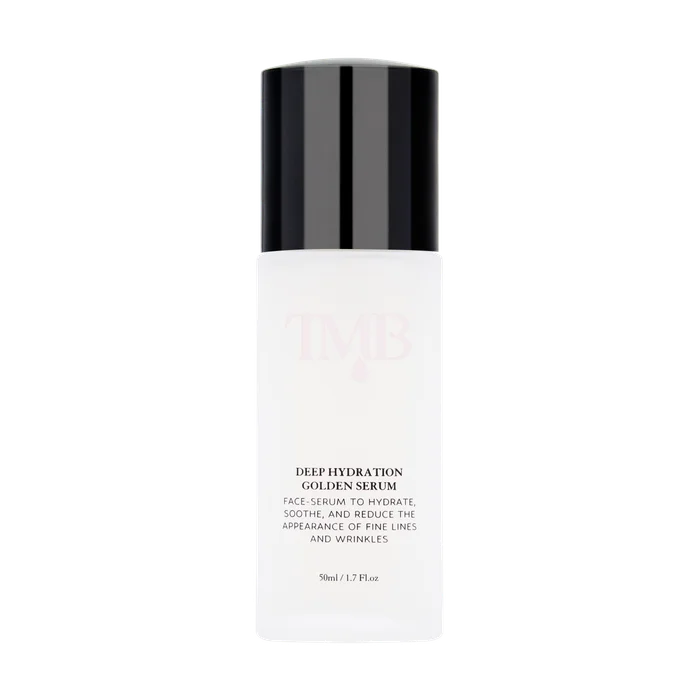
Multi-weight hyaluronic acid, gold and a sea-water mineral complex.
US$296Check boutique availability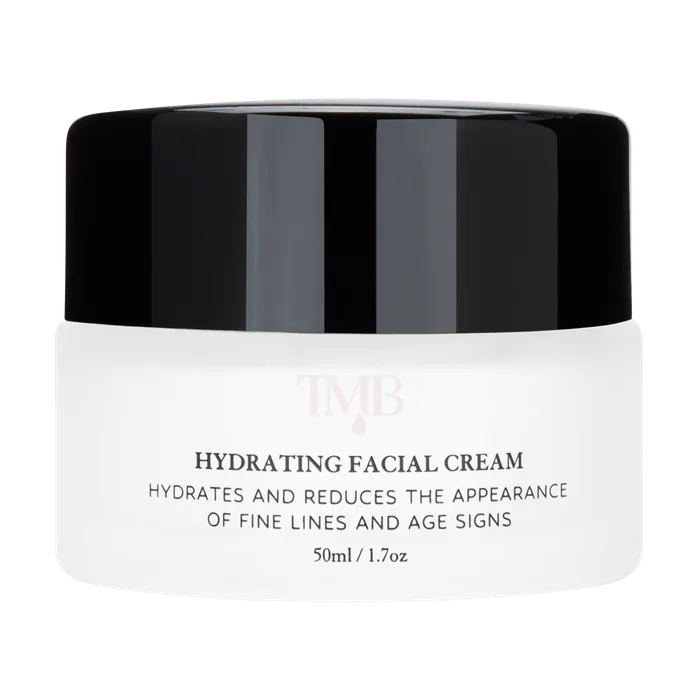
The comforting final step for normal to dry skin.
US$231Check boutique availability